
{主关键词}
4399
‘Let traditional Chinese patterns shine with new splendor,’ says Chang Shana, former president of the Central Academy of Arts and Design_我的网站

A | 获悉,正虹科技披露半年报,2026年上半年,公司实现营业收入5.69亿元,同比增长14.19%;归属于上市公司股东的净利润为亏损2069.84万元,上年同期亏损799.6万元。原文链接。
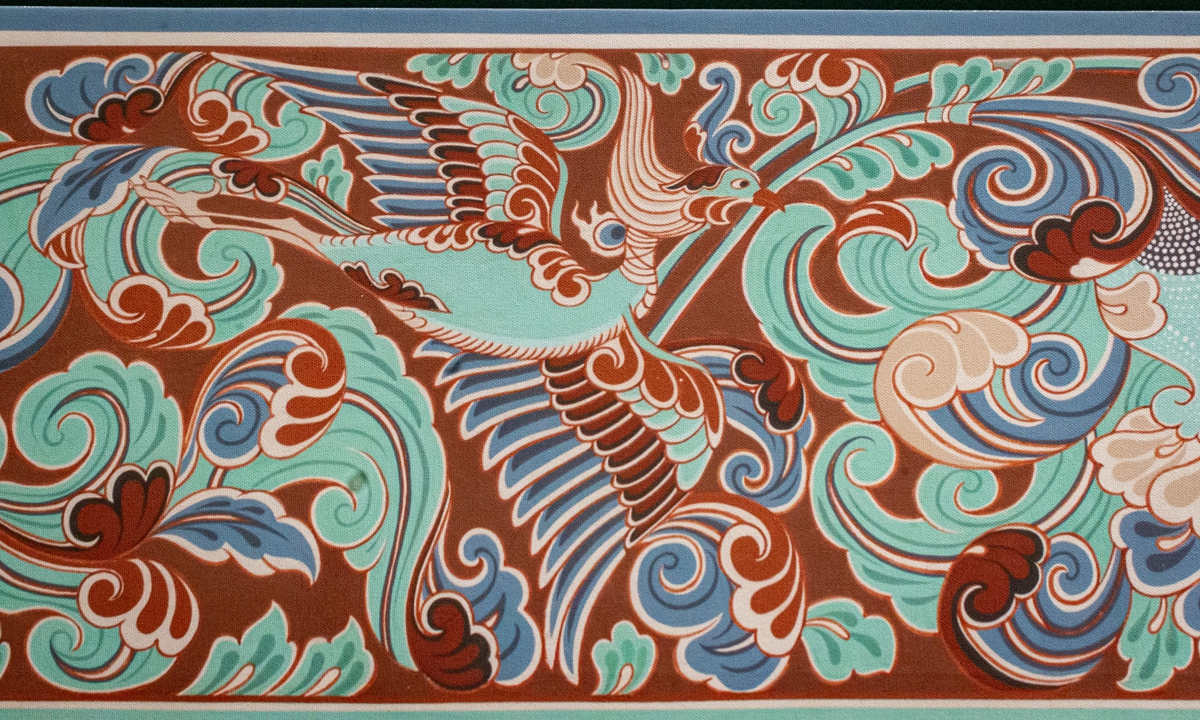
As an important part of Dunhuang art, decorative patterns are the carriers with the most rigorous compositional principles and the richest cultural spirit.
In the Dunhuang caves of Northwest China, there are numerous floral, cloud, flame, animal, and other decorative patterns. These patterns come from different periods and are found on and in structures and forms such as caisson ceilings, canopies, halos, costumes, border decorations and floor tiles, blending with statues, murals and architectural space.
Such patterns not only organically and harmoniously enriched and decorated murals, painted sculptures and entire caves, making them more splendid and perfect, but also developed their own period styles and characteristics, vividly recording the formation, change and development of Chinese decorative art and reflecting the social culture and customs of different times.
From the Sixteen Kingdoms (304-439) period through the Sui (581-618) and Tang (618-907) dynasties and beyond, Dunhuang cave mural art continued to evolve in both content and form with the changing times, and decorative patterns changed accordingly. From the three-petal leaf and honeysuckle patterns of the Northern Wei (386-534) to the scrolling-grass, baoxiang flower and linked-pearl patterns of the Sui and Tang and the medallion floral patterns dominated by mineral green in the Western Xia (1038-1227), Song (960-1279) and Yuan (1279-1368) periods, the pattern forms and color systems of different eras together form the historical lineage of Dunhuang decorative patterns, and also reflect the continuity and creativity of Chinese art.
I once led students in forming a research group on "Chinese Decorative Patterns of Dunhuang Through the Ages," systematically collecting, organizing, classifying and copying the decorative patterns on Dunhuang murals and painted sculptures, including the motifs. Through this sorting and copying, we conducted in-depth research and gained a full understanding of the historical culture, artistic features and decorative effects of each type of Dunhuang pattern, and clarified the causes, characteristics and historical evolution of each type. This is the "source" for contemporary design application.
Traditional patterns are an important source of inspiration for my designs. In design, on the one hand, the original appearance of traditional patterns should be preserved to a certain extent; on the other hand, they should be summarized, simplified, extended or enriched to make them more modern.
The ceiling pattern of the banquet hall of the Great Hall of the People was inspired by Tang Dynasty caisson patterns from Dunhuang. With a lotus as the center of the ceiling, and in line with the functional needs of the architectural structure, lighting and ventilation, it combines Dunhuang floral patterns with modern functions to create a spatial decoration with a distinctive national style. This design remains regarded as a model of the contemporary expression of traditional patterns.
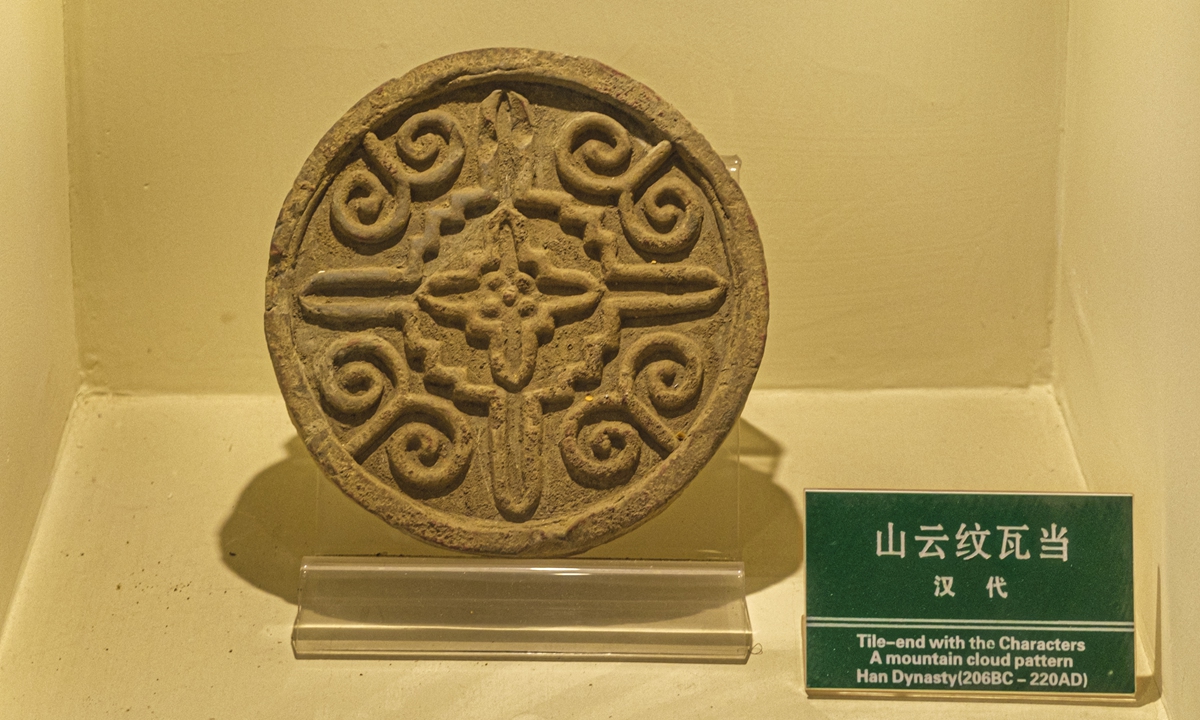
I was invited to serve as artistic consultant for the creative program "Nian Jin" (Auspicious Brocade) at China Media Group's 2024 Spring Festival Gala for the Year of the Dragon. Through natural patterns such as mountains and clouds of the Han Dynasty (206BC-AD220), bird and animal patterns such as flying phoenixes and auspicious lions of the Tang Dynasty, floral patterns such as peonies and laurels of the Song Dynasty, and auspicious patterns such as gourds and lanterns of the Ming Dynasty (1368-1644), we enabled the audience to appreciate the aesthetic tastes passed down by the Chinese people over thousands of years and the breadth and depth of fine traditional Chinese culture.
In contemporary society, as standardized, mass-produced industrial products have become dominant, people hope to find forms that reflect their own national cultural language and are distinctive, warm and pleasing. Traditional patterns can make people feel the depth of history and emotional warmth, and can further embody the cultural character of their nation through modern design.
The study and innovation of decorative patterns is a highly practical part of inheriting and promoting fine traditional Chinese culture. It concerns not only vision and beauty, but also cultural attitudes and identity. These patterns are not just a form of heritage found on murals or on other cultural relics; they can enter our daily lives and become cultural symbols in fabrics, utensils, spaces and even digital interfaces.
I believe that more and more later generations engaged in art and design will, on the basis of promoting fine traditional Chinese culture and adapting to people's current needs for culture, art and a better life, take innovative steps to create a new style of modern design art with Chinese characteristics - one that is national, scientific and popular, so that traditional Chinese decorative patterns can constantly generate new vitality and shine with new splendor.
The author is former president of the Central Academy of Arts and Design. This was compiled and translated by the Global Times English edition based on an article published by the People's Daily Overseas Edition on August 20.
。
Current article:http://7hmlyh.shengyaodanrongchui.buzz/ftld6e/t24.html
Published on:11:23:50
- 8054かつては月9主演、42歳女優の現在が「変わらずお綺麗」 香里奈の誕生日投稿にファン祝福「永遠のNo.1です」
- 6908淘宝买的小米扫地机器人有质量问题还遭平台拒退,处理太不负责
- 5594批发采购成本318万劝退绝大多数!癌症疫苗为何这么贵?
- 7142381ChatGPT की मदद से खोज निकाली चोरी हुई Lamborghini, Google लोकेशन टूल्स का भी किया इस्तेमाल, जानें कैसे
- 31818【锦幼课程】留下珍“桂”
- 892384Silver Pines 前瞻:其玩法与画面神似 90 年代版的 心灵杀手2
- 8801海峡两岸(福建)书院文化交流活动在厦启动
- 6305223黑龙江大庆:在高新区、萨尔图区和龙凤区继续实行5天临时性管控
- 7463奥克兰海湾神秘尸袋:受害者疑为中国女性,警方展开凶杀案调查
- 722詹姆斯底薪投城,NBA从ALL IN超巨迈入“强运营时代”
- 820爱德华兹谈湖人主场:和丹佛相比 这里不算什么&氛围很轻松
- 8645120双色球:愿好运照亮您平凡的每一天
- 9795蒸汽平台游戏总数超过30000场,预计2019年将超过40000场。
- 664507高键在督导检查供热工作时强调 全力做好供热服务保障 确保人民群众温暖过冬
- 398田径世锦赛:张德顺女子马拉松名列第11 创个人第二好成绩
- 590这些元旦SVG排版,一个比一个有创意!
- 353012025淘宝618活动时间整理、玩法攻略与超级红包领取,附天猫京东618攻略满减凑单大全
- 9524207China, India hold meeting on border affairs, pledge to jointly safeguard peace and tranquility in border areas
- 9784奥克兰中区夜间发生电动滑板车骑行事故,一男子死亡
- 244022韩先楚回老家见公社干部几十人,直接给毛主席写信:必须精简,历史看兴衰,原创 韩先楚回老家见公社干部几十人,直接给毛主席写信:必须精简
- 859华尔街大举招揽AI专业人士,纽约科技人才数量首次超越旧金山
- 243615Aaj Ka Ank Jyotish 27 August 2025: मूलांक 3 वालों को मिलेगी सही दिशा, जानें अपना शुभ रंग और समय
我的网站热门国内
- Copyright @ 2016-2017 我的网站 版权所有